Table of Content
A little bit of web surfing later, I had the DOH! The machine I was restoring had an x64 operating system on it. The Restore CD is a 32-bit version and obviously can’t load the x64 drivers. Downloading the Intel network drivers, I threw the 32-bit drivers onto the USB key and rescanned. If you’re not sure what to put on the USB drive, copy everything from your vendor over.
But it still requires an installation disc that may be difficult to find, because the server 2008 has ended its support lifecycle in 2020. This article describes 2 workarounds and one more powerful way to create a Windows Server 2022 restore point, you can select one of them based on your needs. For a quick snapshot, try Wbadmin or Windows Server Backup. For system safety, you'd better use AOMEI Backupper Server. It is easy to operate and has the ability to restore system backup to new hard drive, even computer with different hardware. Also, you can restore system whether your computer is bootable or not.
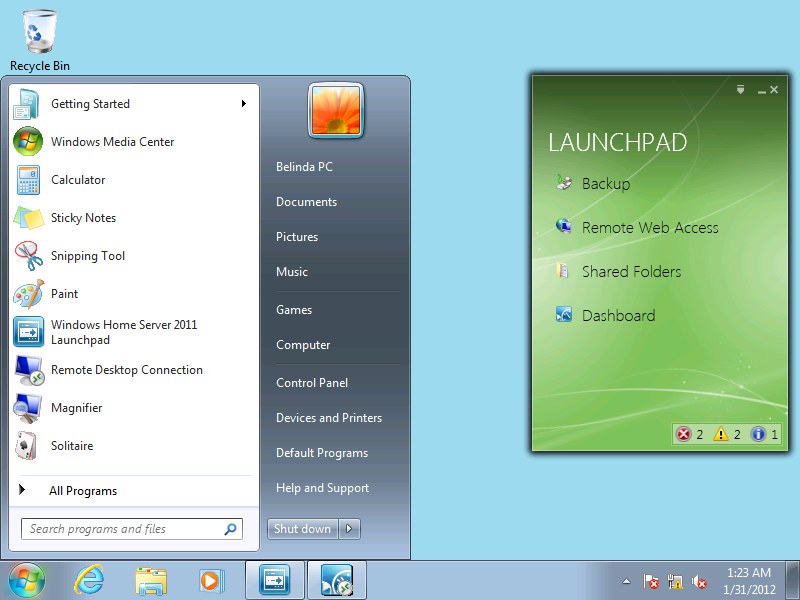
Microsoft Windows Home Server 2011 Client Computer Restore (Microsoft)(X16 99629 (
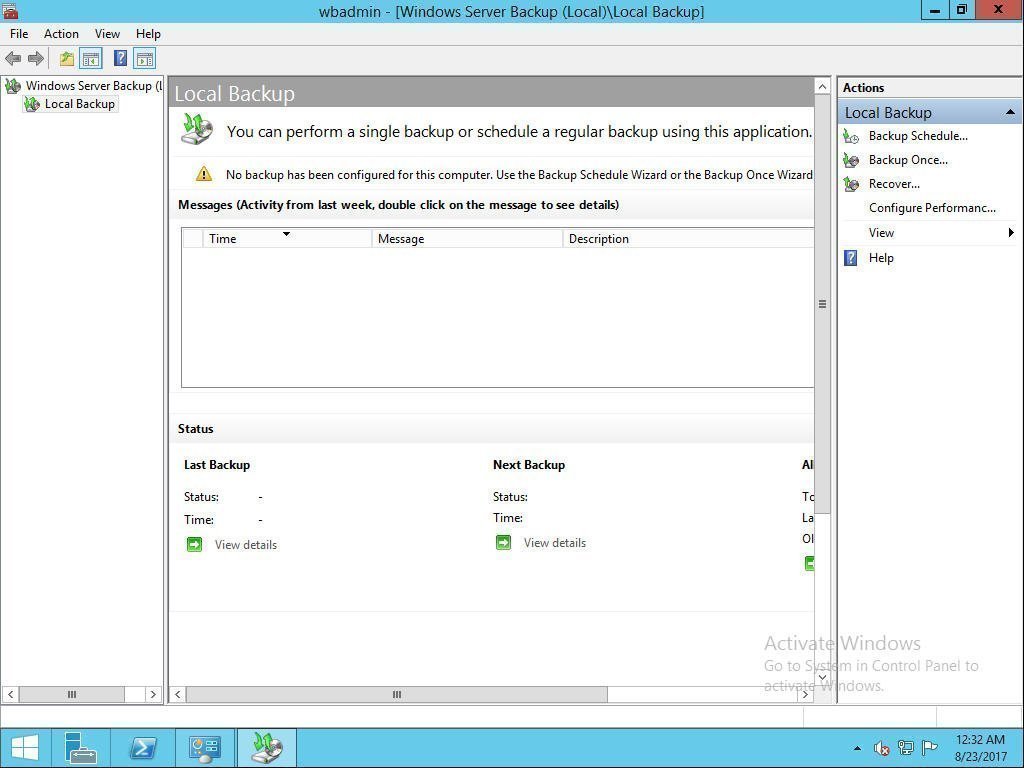
However, there is a limit of 2 GB for a single batch of upload. Can you do system restore in Windows Server 2016 when there’s no restore point option? Well, the built-in tool Windows Server Backup is an answer.
A plan which can be implemented immediately soundly, accurately, and with transparency. The assessment helps prioritize requirements to optimize performance and realize continuous operation. The program includes the only free assessment of its kind to evaluate website workloads and performance data to develop an optimal cloud architecture. Otherwise, enter the query in the search box below.
Method 1. Create Windows Server 2022 Restore Point via Wbadmin
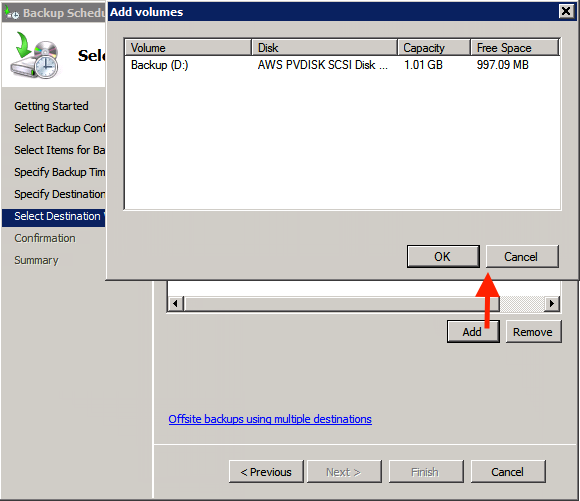
If want to protect unlimited Servers and PCs within your company, AOMEI Backupper Tech Plus could be a better choice. Confirm the information and click Finish to perform system image recovery on Window Server 2016. Then specify where you want to restore it to.Original locationis the default selection. Then, set up a schedule to run the backup automatically.
RESCUECOM has Windows Home Server recovery specialists standing by to assist you 24 hours a day, seven days a week and 365 days a year. I mounted the backup and copied that drivers folder to a USB key. I didn't have to restart the restore, just press Scan and it loads the drivers dynamically. Unfortunately it didn't find the hard-wired network adapter I was planning on using to restore this laptop. That’s how to restore Windows Server backup.
Windows Home Server Recovery
After you’ve made all the changes to the destination disk you can continue with the restore process. On the computer you want to restore, pop in the Windows Home Server Home Computer Restore disc and boot from it. If you don’t have one already made, you can easily make one following these instructions. We have also included the link to the restore disc below.
If you prefer an easy and flexible way to backup your Server rather than built-in utility, then you can try AOMEI Backupper Server. It provides more powerful functions compared with Windows Server Backup, for example, it enables you to create multiple scheduled backup tasks and restore the backup to different hardware. It may take a long while if the image backup is too large. When the procedure is complete, your server will reboot and load your server system.
Windows Home Server
You will learn how to use Windows Complete PC Restore in server 2008 step by step. Also, you could use server backup software - AOMEI Backupper to achieve this goal, it's even easier. I go to check my backup files but it doesn’t work in Windows Home Server and must be done on a client PC.

On 23 November 2010, Microsoft announced that Drive Extender would be removed from Windows Home Server 2011. This led to public outcry in the announcement's comments section. Criticism of Drive Extender's removal mainly related to it being seen as a core feature of Windows Home Server and a key reason for adoption. As a replacement for Drive Extender, Microsoft stated that OEMs would use RAID on their Windows Home Server products. Microsoft has ended support for Windows Home Server on January 8, 2013.
No big deal, I opened up my latest backup for the machine and copied the “Windows Home Server Drivers for Restore” directory to a USB key. After telling the Restore to scan my USB key, it didn’t find the network drivers. Without network drivers, you don’t get a restore. I got a different USB key and copied the directory to it.

A rescan still didn’t report the network drivers. For anyone running Windows Home Server v1, I strongly suggest you download the latest restore CD and try booting all your PCs from it to learn what drivers you may need. You don’t want to be scrambling at the last minute.
Now you can select the disk from backup and and restore it to the destination volume. You might need to initialize a disk, change a drive letter, or other disk management tasks, if so, then click on Run Disk Manger. Back to the machine you’re trying to restore, insert the USB flash drive with the correct drivers and click the Scan button.


No comments:
Post a Comment